

Mountain Quail
Oreortyx pictus
The largest quail native to North America, instantly recognized by the single thin, straight plume that projects from its crown.
- Feather type
- Cryptic contour feathers plus a long, straight head plume
- Colours
- Slate-gray, olive-brown, chestnut, and white
- Bird size
- Pigeon-sized, ~28 cm
Found a feather like this?
Identify any feather from a photo, free.
Overview
The Mountain Quail is a chunky, ground-dwelling gamebird of the mountains and foothills along the Pacific coast of North America, from Washington south into Baja California. It is the largest of the New World quail and is best known for the slim, perfectly straight head plume (actually two feathers held together) that both sexes carry. Its plumage is a mix of slate-gray, olive, and warm chestnut, giving it a richly patterned look compared to the plainer quail species it shares range with.
Identifying the Feather
- Head plume: a single, thin, straight black plume projecting nearly vertically from the crown—unlike the forward-curving topknot of California or Gambel's Quail.
- Breast and back: slate-gray contour feathers with a smooth, unmarked look.
- Flanks: bold chestnut-and-white barred feathers, among the most strikingly patterned flank plumage of any North American quail.
- Throat: chestnut patch outlined with black and white edging.
- Flight feathers: short, rounded wings typical of a bird that prefers running to flying, with plain brown-gray primaries.
Plumage & Molt
Male and female Mountain Quail look very similar, an unusual trait among quail, though the male's plume is typically slightly longer and straighter. Juveniles are duller and more mottled, lacking the crisp chestnut flank barring and full-length plume until after their first molt. Adults undergo a complete post-breeding molt in late summer, and the ornamental plume is replaced along with the rest of the plumage.
Habitat & Range
This species favors dense, brushy cover—manzanita, ceanothus, and chaparral slopes—often at higher elevations than other quail, moving to lower slopes in winter. It is a year-round resident across most of its range, undertaking only local elevational movements rather than long-distance migration. Its range hugs mountain ranges near the Pacific coast and does not extend far inland.
Behavior & Field Notes
Mountain Quail are shy and secretive, preferring to walk or run into thick cover rather than flush, and are more often heard than seen. Diet is varied, including seeds, leaves, bulbs, and invertebrates gleaned from the ground and low vegetation. Nests are shallow scrapes on the ground, well hidden under shrubs, holding a clutch of buffy eggs. The species' call is a loud, far-carrying single- or double-noted whistle used to keep contact within coveys in dense brush.
Frequently asked questions
What is the single plume on a Mountain Quail's head made of?
It is actually two thin feathers held so closely together they appear as one straight plume, projecting up from the crown.
Do male and female Mountain Quail look different?
They are similar in plumage, unlike most quail species, though males tend to have a slightly longer, straighter plume.
What makes Mountain Quail flank feathers distinctive?
The flanks show bold chestnut-and-white barring, more vivid than the flank patterns of most other North American quail.
Where would you find Mountain Quail feathers?
In dense chaparral and brushy mountain slopes along the Pacific coast, since the birds rarely stray from thick cover.
Mountain Quail guides
In-depth guides for identifying and understanding Mountain Quail.

Other feathers you may enjoy

Ring-necked Pheasant
Body (contour), tail, and wing feathers

Bornean Peacock-pheasant
Contour and tail feathers with iridescent ocelli

Crested Argus
Extremely elongated, ocellated (eyespot-patterned) tail feathers among the longest of any bird; tall, erectile crest

Grey Partridge
Body and flank feathers

Willow Ptarmigan
Larger, stockier body feathers with warmer rufous tones in summer; tail feathers black year-round

Wild Turkey
Broad, iridescent body feathers and large flight and tail feathers

Bulwer's Pheasant
Contour feathers and elongated white tail feathers
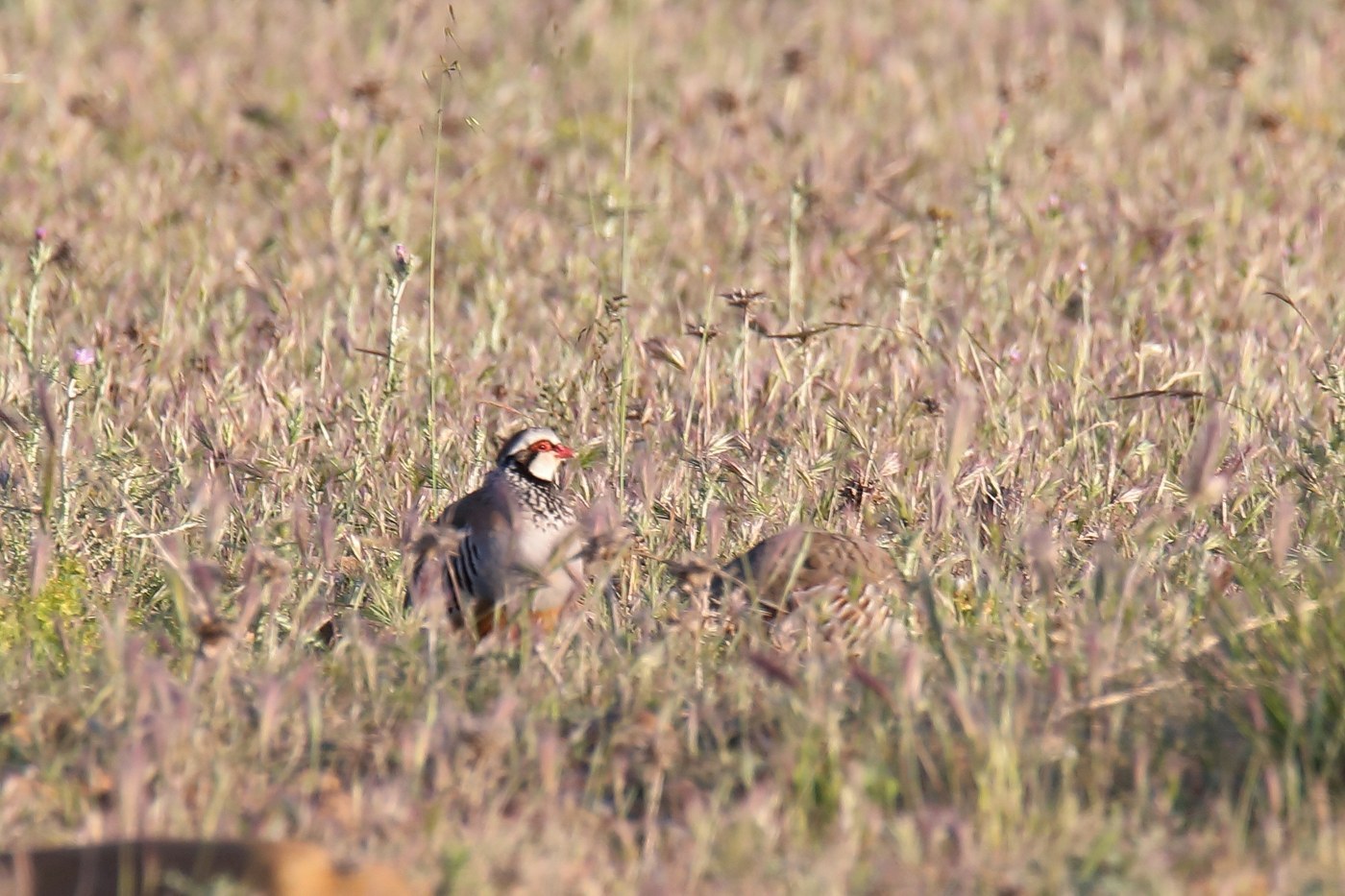
Red-legged Partridge
Flank, body, and flight feathers

White-tailed Ptarmigan
Small body feathers with a tail that stays pure white year-round, unlike other ptarmigan

Edwards's Pheasant
Contour and tail feathers

Sooty Grouse
Dense, plain contour feathers with a pale-tipped, fanned tail

Snow Partridge
Finely vermiculated barred contour feathers