

Dusky Grouse
Dendragapus obscurus
A large montane grouse of the interior Rocky Mountains, males dark slate-grey overall with a fanned dark tail and inflatable yellow-orange neck sacs used in display.
- Feather type
- Dense, plain contour feathers with a dark, square-tipped tail
- Colours
- Dark slate-grey body; males show yellow-orange neck combs and inflatable neck sacs
- Bird size
- Large, ~43-53 cm
Found a feather like this?
Identify any feather from a photo, free.
Overview
Overview
The Dusky Grouse inhabits montane coniferous forest across the interior Rocky Mountain region, a range formerly combined with the coastal Sooty Grouse under the single name "Blue Grouse." Males are dark slate-grey overall, with inflatable neck sacs bordered by yellow-orange skin used during courtship display, and a dark, square-tipped tail lacking a pale terminal band.
- Family: Phasianidae (grouse)
- Diet: conifer needles, buds, berries, and invertebrates
- Range: interior Rocky Mountains, from British Columbia to Arizona and New Mexico
Identifying the Feather
Feather Identification
- Body feathers: dark slate-grey overall with subtle fine vermiculation, appearing plain at a distance.
- Tail: broad, dark tail feathers typically lack a pale grey terminal band, or show only a very narrow one, distinguishing it from the Sooty Grouse.
- Neck: males show bare, colorful skin patches (yellow to orange) on the neck sides, inflated during display, framed by white-tipped feathers.
- Females: mottled brown and grey overall, providing camouflage, and lacking the male's neck coloration.
- Vs. similar species: the near-absence of a pale terminal tail band separates it from the Sooty Grouse, which typically shows a distinct pale grey tail tip; range is also a useful distinguishing factor, as the two species are largely separated geographically.
Plumage & Molt
Plumage Notes
Adult males show dark slate-grey plumage year-round, with the bare neck skin becoming more vivid during spring courtship display. Females are mottled brown and grey for camouflage while nesting. Juveniles resemble females until their first full molt into adult plumage.
Habitat & Range
Habitat & Range
Dusky Grouse inhabit montane coniferous and mixed forest in the interior Rocky Mountains, ranging from British Columbia and Alberta south through the western United States to Arizona and New Mexico. They typically show seasonal elevational movement, moving to higher conifer stands in winter and lower shrub or forest edge habitat in summer.
Behavior & Field Notes
Behavior
Dusky Grouse forage on the ground and in trees for buds, needles, berries, and invertebrates, with conifer needles dominating the winter diet. Males perform courtship displays involving inflating neck sacs, fanning the tail, and giving low, hooting calls from elevated perches. Nests are ground scrapes concealed by vegetation. The species is generally solitary or found in small groups outside the breeding season.
Frequently asked questions
How can you tell a Dusky Grouse tail feather from a Sooty Grouse tail feather?
Dusky Grouse tail feathers typically lack a pale grey terminal band or show only a very narrow one, while Sooty Grouse tail feathers usually show a more distinct pale tip.
What do male Dusky Grouse use their neck sacs for?
Inflatable, colorful neck skin patches are used during courtship display, often accompanied by low hooting calls.
Where is the Dusky Grouse found?
It occurs in montane coniferous forest across the interior Rocky Mountains, from British Columbia south to Arizona and New Mexico.
Was the Dusky Grouse once classified differently?
Yes, it was formerly lumped with the Sooty Grouse under the single name Blue Grouse before being split into two species.
Dusky Grouse guides
In-depth guides for identifying and understanding Dusky Grouse.

Other feathers you may enjoy

Ring-necked Pheasant
Body (contour), tail, and wing feathers

Bornean Peacock-pheasant
Contour and tail feathers with iridescent ocelli

Crested Argus
Extremely elongated, ocellated (eyespot-patterned) tail feathers among the longest of any bird; tall, erectile crest

Grey Partridge
Body and flank feathers

Willow Ptarmigan
Larger, stockier body feathers with warmer rufous tones in summer; tail feathers black year-round

Wild Turkey
Broad, iridescent body feathers and large flight and tail feathers

Bulwer's Pheasant
Contour feathers and elongated white tail feathers
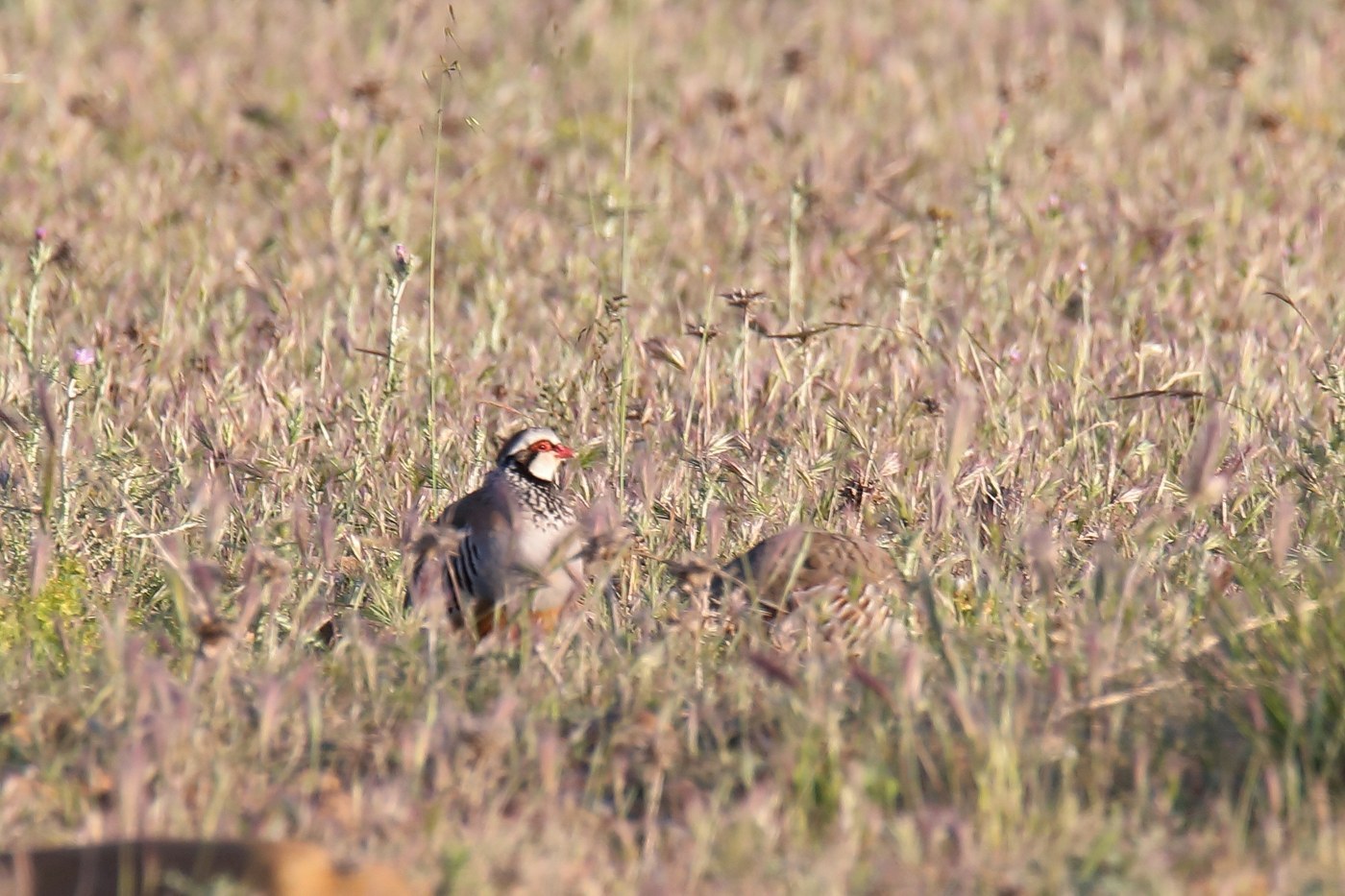
Red-legged Partridge
Flank, body, and flight feathers

White-tailed Ptarmigan
Small body feathers with a tail that stays pure white year-round, unlike other ptarmigan

Edwards's Pheasant
Contour and tail feathers

Sooty Grouse
Dense, plain contour feathers with a pale-tipped, fanned tail

Snow Partridge
Finely vermiculated barred contour feathers