

Koklass Pheasant
Pucrasia macrolopha
A grey-bodied Himalayan pheasant with a bold black-and-white head pattern, a chestnut breast patch, and a distinctive short, wedge-shaped tail.
- Feather type
- Dense grey body contour feathers with a chestnut breast patch; wedge-shaped tail feathers
- Colours
- Grey body with black-and-white head pattern and a chestnut breast band
- Bird size
- Medium-large pheasant, males ~58-64 cm including tail
Found a feather like this?
Identify any feather from a photo, free.
Overview
The Koklass Pheasant occurs across temperate montane forests of the Himalayas and extends into parts of Central Asia and western China. It favors mixed and coniferous forest with dense undergrowth at moderate to high elevations, and its short, wedge-shaped tail and boldly patterned head distinguish it from the longer-tailed pheasants sharing its range.
Identifying the Feather
Male body feathers are finely vermiculated grey overall, with a contrasting chestnut patch across the upper breast and a bold black-and-white pattern on the head, including a dark crown, pale cheek patches, and elongated crest feathers. The tail is comparatively short and wedge-shaped rather than long and trailing, with grey central feathers finely barred in black. Wing feathers are grey-brown with subtle vermiculation, built for quick, forest-adapted flushes. Female feathers are warm rufous-brown, heavily mottled with dark streaking and lacking the male's grey tone, black-and-white head, or chestnut breast patch, and can be told from other pheasant hens by their shorter tail and cinnamon-brown wash.
Plumage & Molt
Males show the grey, chestnut, and black-and-white pattern described above, a striking combination compared with the more uniformly barred or mottled females, which are rufous-brown throughout for camouflage on the nest. Juveniles resemble females but with looser, downier body feathers, with young males gradually developing the grey body and head pattern as they mature. A single annual molt occurs after breeding.
Habitat & Range
Koklass Pheasants inhabit temperate and subalpine forest, particularly mixed conifer-broadleaf woodland with dense shrub cover, across the Himalayas from Afghanistan and Pakistan through India, Nepal, and Bhutan, with related populations extending into western China. The species is largely resident, though some populations shift to lower elevations during heavy winter snowfall.
Behavior & Field Notes
This species forages on the forest floor and in low shrubs for seeds, shoots, buds, and small invertebrates, generally in pairs or small family groups. It tends to run rather than fly when disturbed, flushing only when closely approached. Nests are ground scrapes concealed beneath shrubs or fallen logs. Calls include a distinctive loud, harsh crowing given by males, often at dawn, which carries well through forested mountain terrain.
Frequently asked questions
What does the Koklass Pheasant's tail look like?
Short and wedge-shaped rather than long and trailing, grey with fine black barring.
What color are male Koklass Pheasant feathers?
Vermiculated grey overall with a chestnut breast patch and a bold black-and-white head pattern.
Where does the Koklass Pheasant live?
In temperate montane forest across the Himalayas and parts of Central and East Asia.
How do female Koklass Pheasant feathers differ from males?
Females are rufous-brown and mottled throughout, lacking the grey tone, chestnut patch, and head pattern of males.
Koklass Pheasant guides
In-depth guides for identifying and understanding Koklass Pheasant.

Other feathers you may enjoy

Ring-necked Pheasant
Body (contour), tail, and wing feathers

Bornean Peacock-pheasant
Contour and tail feathers with iridescent ocelli

Crested Argus
Extremely elongated, ocellated (eyespot-patterned) tail feathers among the longest of any bird; tall, erectile crest

Grey Partridge
Body and flank feathers

Willow Ptarmigan
Larger, stockier body feathers with warmer rufous tones in summer; tail feathers black year-round

Wild Turkey
Broad, iridescent body feathers and large flight and tail feathers

Bulwer's Pheasant
Contour feathers and elongated white tail feathers
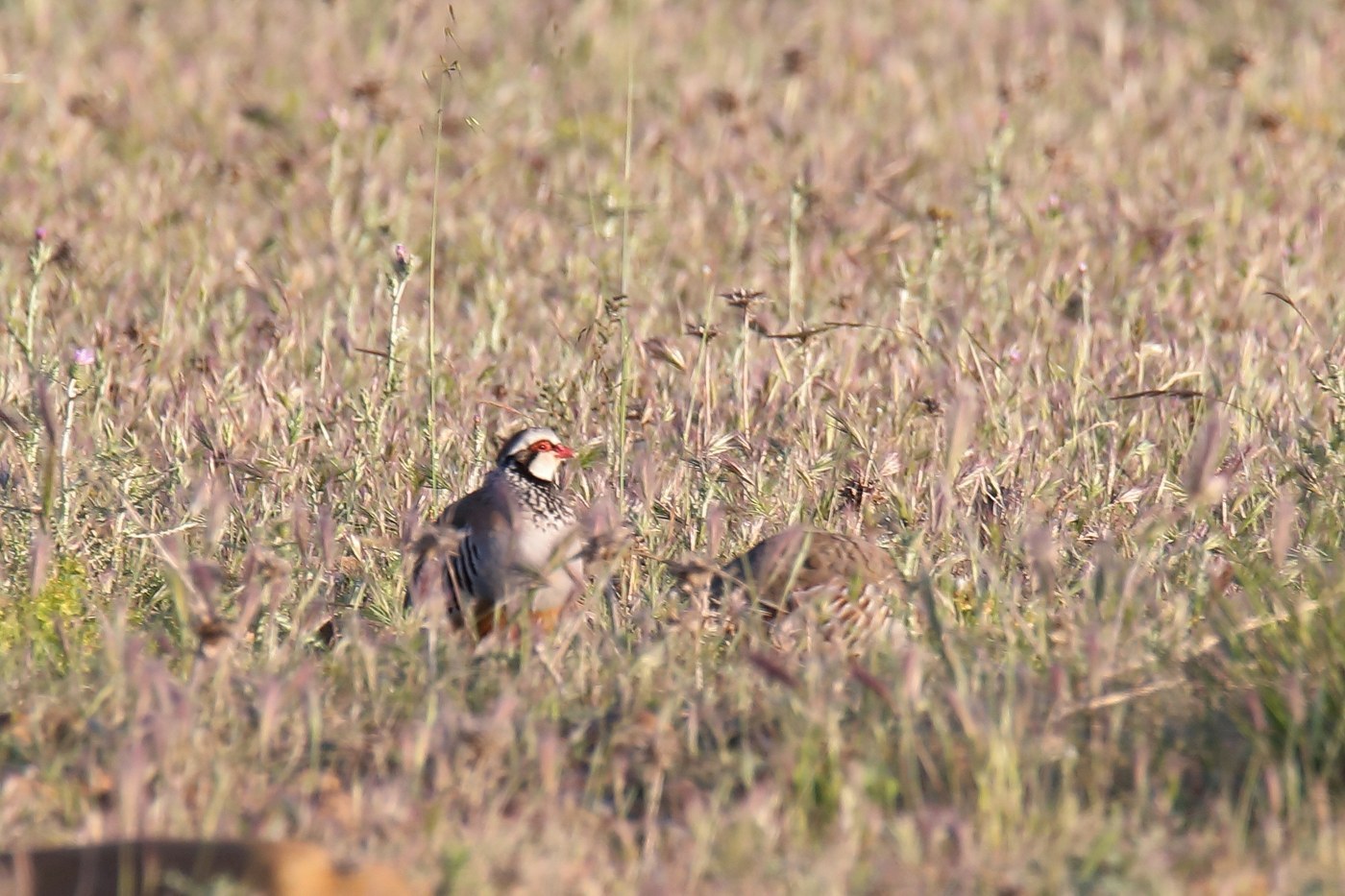
Red-legged Partridge
Flank, body, and flight feathers

White-tailed Ptarmigan
Small body feathers with a tail that stays pure white year-round, unlike other ptarmigan

Edwards's Pheasant
Contour and tail feathers

Sooty Grouse
Dense, plain contour feathers with a pale-tipped, fanned tail

Snow Partridge
Finely vermiculated barred contour feathers