
How to Identify Yellow-legged Gull Feathers
A guide to the gray mantle feathers, yellow legs, and black-and-white wingtip pattern that identify Yellow-legged Gull feathers.
Read the full Yellow-legged Gull encyclopedia entry →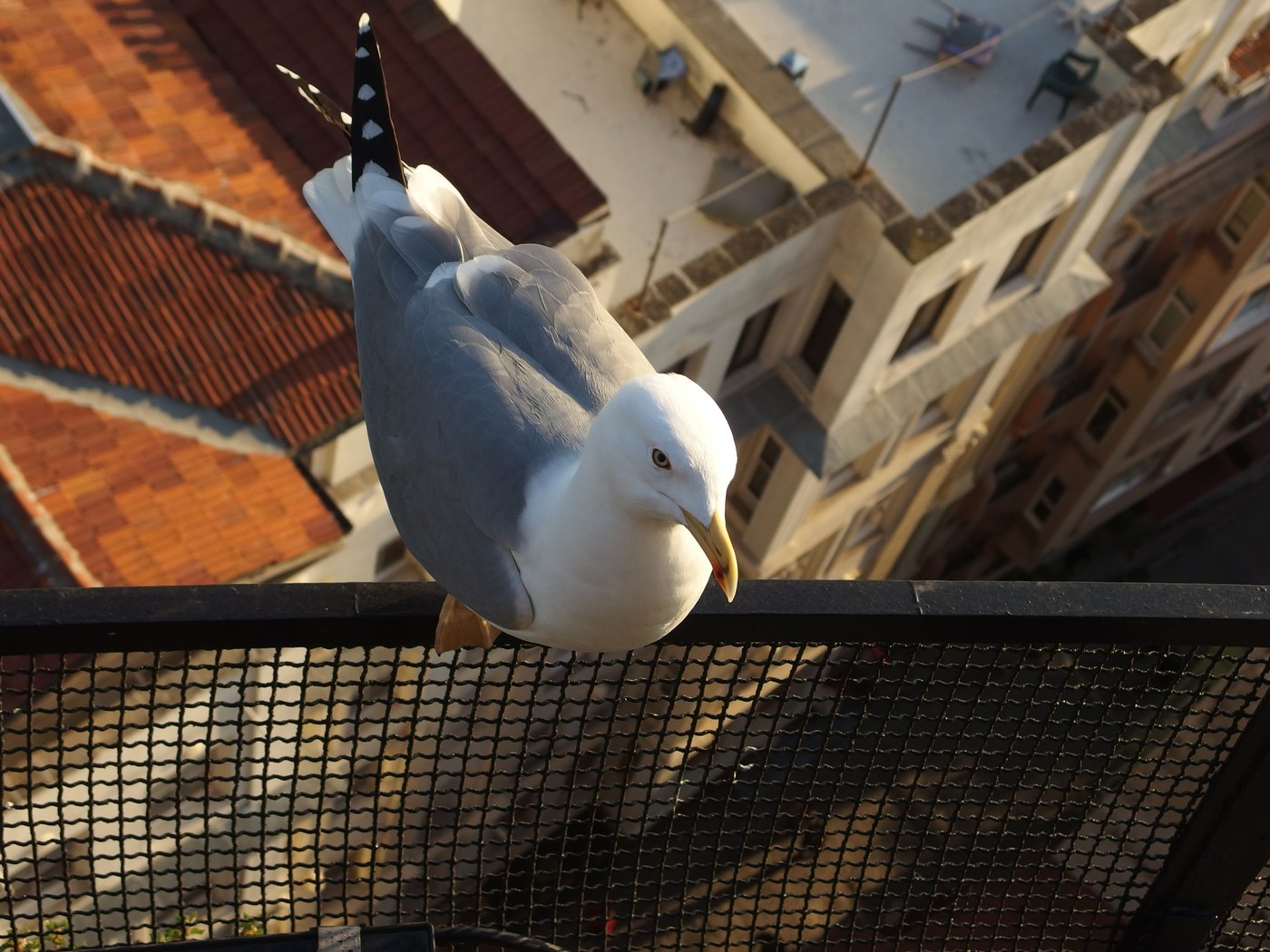
What Yellow-legged Gull's Feathers Look Like
The Yellow-legged Gull is a large, robust gull, and its feathers reflect a bold, high-contrast pattern typical of large white-headed gulls. Flight feathers (primaries) measure 30-40 cm, with a black outer web tipped by a crisp white spot ("mirror") near the tip, while the base is gray, matching the mantle. Back and wing covert feathers form the mantle, a medium-to-darker slate-gray, noticeably darker than Herring Gull but paler than Lesser Black-backed Gull — a useful mid-tone that takes practice to judge but is a real diagnostic when compared side by side. Body feathers on the head, neck, and underparts are pure white in breeding adults, sometimes with light brown streaking on the head in non-breeding plumage. Tail feathers are white in adults. Leg feathers are not typically distinguishable by color, but the bare yellow legs are a strong live-bird clue that pairs with feather evidence found nearby. Juvenile and first-year feathers are heavily mottled brown and white, quite different from the clean adult gray-and-white pattern, and take several years to reach full adult coloring.
Step-by-Step: Is This Feather From a Yellow-legged Gull?
- Judge the mantle gray tone: a medium-dark slate-gray, distinctly darker than a pale gray Herring Gull feather but lighter than a near-black Lesser Black-backed Gull feather, fits this species.
- Check the wingtip pattern: black with a clean white mirror spot near the tip on a primary feather is typical of large white-headed gulls including this one.
- Consider age: heavily mottled brown-and-white feathers indicate a juvenile or immature bird, not yet showing the clean adult gray.
- Measure size: primaries 30-40 cm indicate a large gull.
- Assess head streaking: light, fine brown streaking on white head feathers suggests non-breeding adult plumage.
- Match habitat and location: coastal cliffs, harbors, and increasingly inland urban areas across southern Europe, the Mediterranean, and expanding ranges support this species.
Similar Species & How to Tell Them Apart
Herring Gull is extremely similar and the two overlap in parts of Europe; Herring Gull's mantle gray is typically a shade paler, and this is genuinely one of the harder gull separations to make from a feather alone, so location within range, leg color noted at the time of finding, and careful side-by-side gray comparison all help. Lesser Black-backed Gull has a much darker, near-black to dark slate mantle, clearly darker than Yellow-legged Gull's medium gray, making mantle tone the fastest separator from that species. Caspian Gull, a close relative with overlapping range in places, tends to show a paler, more washed-out head streaking pattern and a slightly paler mantle, requiring careful comparison alongside range.
Where & When You'll Find Them
Yellow-legged Gulls breed along Mediterranean and southwestern European coastlines, cliffs, and islands, and have expanded into inland and urban habitats including landfills and city rooftops in recent decades. Feathers are most often found near coastal breeding colonies in summer during the post-breeding molt, and increasingly around inland urban roosts and refuse sites year-round, since this adaptable, largely non-migratory species does not follow as strict a seasonal pattern as some northern gulls.
Frequently asked questions
Why is separating this from Herring Gull so difficult?
The two species have closely overlapping mantle gray tones and general plumage patterns, so feather-only identification is genuinely challenging and benefits from noting leg color and location at the time of the find.
What does the white spot near a black wingtip mean?
That white 'mirror' spot near the tip of an otherwise black primary feather is typical of large white-headed gulls, including this species, and helps confirm the feather comes from that group before comparing gray tones.
How do I rule out Lesser Black-backed Gull?
Lesser Black-backed Gull's mantle feathers are much darker, near-black to dark slate, clearly deeper than the medium gray of Yellow-legged Gull's back feathers.
Can a mottled brown feather still belong to this species?
Yes, juvenile and first-year birds show heavily mottled brown-and-white plumage that takes a few years to molt into the clean adult gray-and-white pattern.
When are these feathers most commonly found?
Near coastal breeding colonies in summer, and increasingly year-round around inland urban roosts and refuse sites given this species' adaptable, largely resident habits.