
How to Identify Wattled Jacana Feathers
How the chestnut body, black head, and unusually bright yellow-green flight feathers make a Wattled Jacana feather easy to confirm.
Read the full Wattled Jacana encyclopedia entry →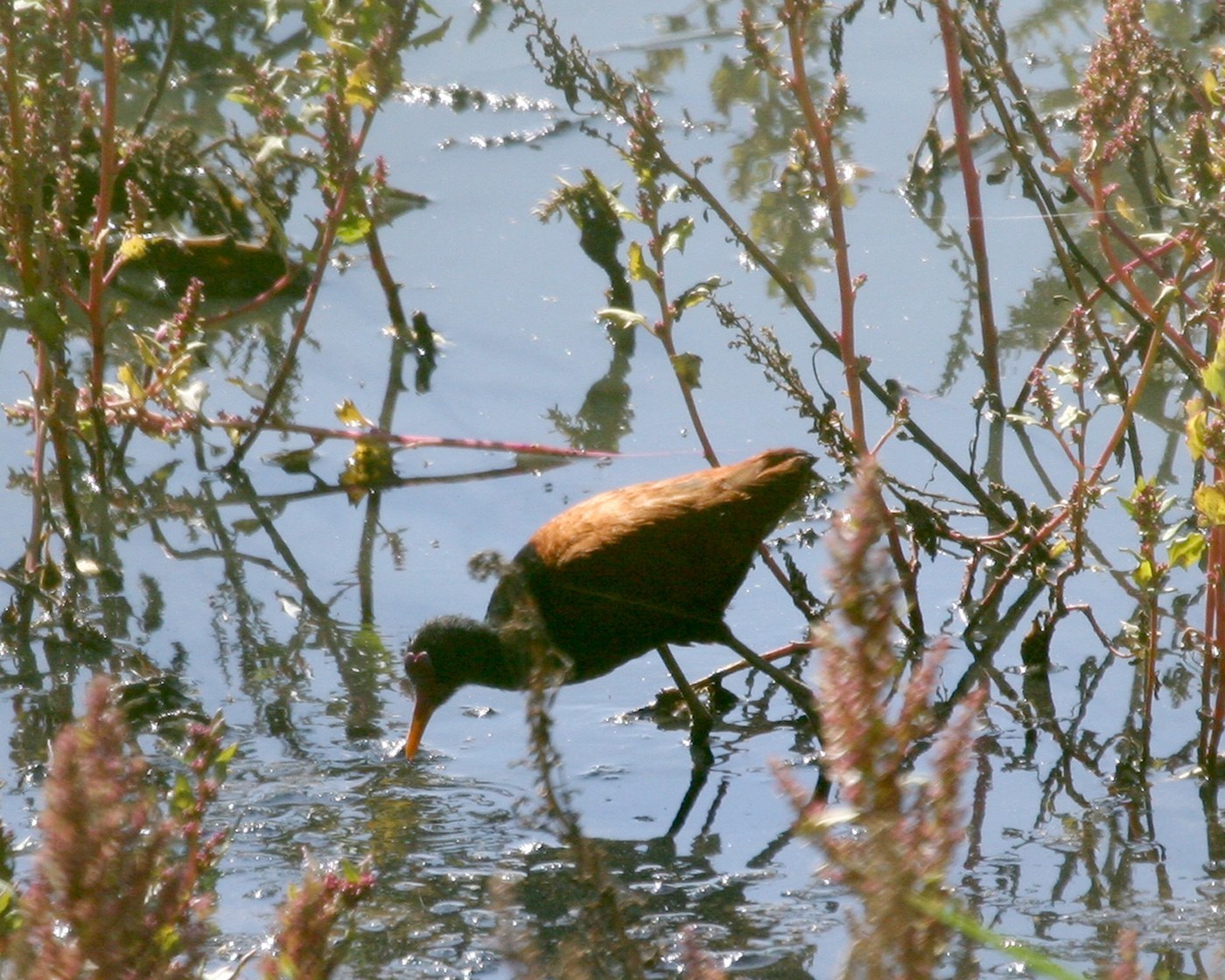
What Wattled Jacana Feathers Look Like
Wattled Jacana is a South American wetland bird known for walking on floating vegetation, and its feathers combine an unusual color palette that's rarely confused with anything else.
- Body/contour feathers: rich, deep chestnut-maroon, covering the back, breast, and much of the body.
- Head/neck feathers: glossy black, sharply contrasting with the chestnut body.
- Flight feathers (primaries/secondaries): strikingly yellow-green, a color rarely seen in flight feathers of any bird — this is one of the most diagnostic single feathers you could find for this species.
- Tail feathers: short and blackish, unremarkable compared to the bold body and wing colors.
- Size: medium-sized feathers consistent with a bird about 20-24 cm long, though the extraordinarily long toes (a hallmark of jacanas) won't be present on a detached feather.
- Texture: contour feathers are fairly loose and soft, typical of a wetland-dwelling bird that spends most of its time on floating vegetation rather than in flight.
Step-by-Step: Is This Feather From a Wattled Jacana?
- Check for yellow-green flight feathers first. This unusual color is one of the best single clues in the entire shorebird/wetland-bird world — very few species share it.
- Look for chestnut-maroon body feathers. Combined with the yellow-green wing color, this supports Wattled Jacana strongly.
- Confirm any head feather is glossy black, contrasting sharply with the chestnut body rather than blending into it.
- Rule out uniformly dark or uniformly pale feathers, since Wattled Jacana's pattern always combines these three distinct colors together.
- Consider habitat. Feathers found on or near floating vegetation in ponds, marshes, or slow-moving waters in South America fit this species' specialized habitat.
Similar Species & How to Tell Them Apart
- Northern Jacana: nearly identical in coloring, including the yellow-green flight feathers, but occurs in Mexico and Central America rather than South America — range is the most reliable way to separate the two.
- African Jacana: shows a very different pattern with a mostly chestnut body but a pale blue frontal shield (skin) and different head pattern, without the same yellow-green flight feather extent.
- Comb-crested Jacana: found in Australia/New Guinea, mostly black-and-white with a red comb, entirely different color scheme from Wattled Jacana's chestnut-and-black.
- Pheasant-tailed Jacana: shows a long tail and predominantly white body in breeding plumage, quite different from the solidly chestnut Wattled Jacana.
Where & When You'll Find Them
Wattled Jacanas are found throughout much of South America, from Panama south to Argentina, wherever there is floating aquatic vegetation on ponds, marshes, and slow rivers — their extraordinarily long toes let them walk across lily pads and similar plants. Because the species breeds nearly continuously in much of its tropical range rather than following one tight seasonal cycle, feathers can be found near suitable wetland habitat throughout the year, without a single sharply defined molt season.
Frequently asked questions
What's the single most unusual feather feature to check for?
The yellow-green color of the flight feathers is highly unusual among birds and one of the best single clues for identifying this species.
How do I tell this apart from Northern Jacana?
The two are nearly identical in feather color, including the yellow-green flight feathers, so range is the most reliable distinguishing factor — Wattled Jacana occurs in South America, Northern Jacana in Mexico/Central America.
Does the black head feather help confirm the species?
Yes, glossy black head/neck feathers sharply contrasting with the chestnut body support Wattled Jacana, especially combined with the yellow-green wing feathers.
Is there a specific season to look for these feathers?
Not strongly — this species breeds nearly continuously across much of its tropical range, so feathers can be found near wetlands throughout the year.
What habitat should I search for Wattled Jacana feathers?
Ponds, marshes, and slow-moving waters with floating vegetation like lily pads throughout South America.